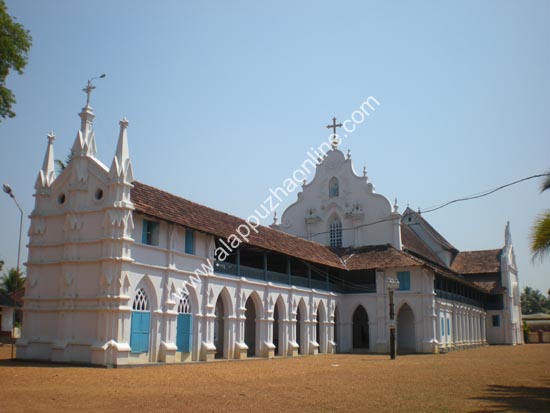
vembanad lake
Its the largest lake in kerala about 205 square kilometers. It is spread over the districts of Alappuzha/alleppey, Kottayam, and Ernakulam The muvattupuzha river, meenachil river, manimala river , pamba river and achencovil river plunge into the vembanad lake . ... .... . ..

vembanad lake
A Boat Journey Through the Vembanad Lake
Most people who have visited Kerala's largest inland water body, Vembanad Lake, would have experienced its beauty in one way or another. They may have cruised through the Kochi backwaters, Vaikom Lake, Punnamada Lake, Kumarakom, or Pathiramanal Island in a houseboat or motorboat.
However, very few have explored the fascinating waterway that begins in Kottayam, winds through the reclaimed paddy fields of Lower Kuttanad, and offers an intimate glimpse into the region's unique landscape, history, and way of life.
Unlike a journey across the open lake, this expedition offers a constantly changing panorama of canals, rivers, reclaimed polders, villages, wetlands, birds, and agricultural fields. Organized by Routes and Roads, this full-day excursion is much more than a sightseeing cruise. It is an educational voyage that narrates the story of how Vembanad Lake evolved, how vast stretches of lake were reclaimed for agriculture, and how generations of farmers transformed the wetlands into one of India's most remarkable below-sea-level farming regions.
Although the regular Kottayam–Alappuzha line boat follows a familiar route, this special journey takes a different course.
It travels along the Kodoor River, enters the Pazhukkanila Lake near Pallom on the eastern edge of Vembanad, and passes through reclaimed paddy fields protected by earthen bunds where rice is cultivated below sea level. The route meanders through the remaining waterways separating each reclaimed tract, offering a rare opportunity to witness one of Kerala's most extraordinary agricultural landscapes. Combining recreation with historical and ecological learning, this journey presents an unforgettable visual experience for every traveller.
The cruise begins at 8:30 a.m.from the Kodimatha Boat Jetty in Kottayam and returns by 5:30 p.m. Travelling south along the broad Kodoor River, the boat passes Travancore Cements and the Kottayam Port, eventually reaching one of the river's sweeping bends. The river is rich in aquatic vegetation that attracts numerous water birds including Purple Swamphens, Moorhens, Waterhens, and Cormorants. Along the riverbanks, local families make their living through farming and fishing.
Further downstream, at Malarikkal, the slender Meenachil River merges into the Kodoor River. After passing a sharp river bend and the Muttam Jetty, travellers can spot the Muthanum Muthiyum Nada, a traditional tribal place of worship. This riverside area once housed the historic Muttathippara Fort, marked on Dutch maps as early as 1695. Within this naturally fortified rocky landscape once stood a palace belonging to the rulers of Thekkumkoor. In 1940, entrepreneur Joseph Murickan quarried away these rock formations to construct bunds for the Rani, Chithira, and Marthandam reclaimed polders.
Continuing southward, expansive paddy fields stretch across both sides of the river. Between July and November, these wetlands are transformed into breathtaking carpets of blooming red water lilies, creating a spectacular crimson landscape that accompanies the boat for nearly half an hour between Muttam and Pazhukkanila. Such scenery is impossible to appreciate from the road.
Beyond Karimpumkala Jetty, the Kodoor and Meenachil rivers merge before disappearing into the triangular Pazhukkanila Lake. At the lake's edge stands an elegant iron lighthouse known as the Munro Light, erected in 1876 by Diwan Sir T. Madhava Rao in memory of Colonel John Munro. Before the construction of the straight Puthenthodu Canal in 1882, all water traffic between Kottayam, Alappuzha, Kuttanad, and Kollam passed through Pazhukkanila. The Munro Light guided country boats and steam launches navigating the lake at night.
With the opening of the canal and the gradual discontinuation of southern boat services, the lighthouse lost its original purpose and fell into neglect. It has since been restored by the Inland Waterways Authority of India, equipped with solar-powered lighting, although its surroundings remain overgrown due to inadequate maintenance.
A second Munro Light stands directly west across the lake on an island in Punnamada Lake, the two lights originally aligned across an uninterrupted stretch of water before land reclamation altered the landscape.
As the boat proceeds through the lake, passengers can see the Valiyaveettil Temple, a historic shrine dedicated to the Mother Goddess associated with fertility and agricultural prosperity. Located amidst the isolated paddy fields of Kuttanad, the temple has long been a place where farmers prepared jaggery pudding (Sharkara Payasam) as an offering seeking successful harvests and protection from hardships. Although accessible only by road today, its spiritual connection with the surrounding wetlands remains deeply rooted in local tradition.
The cruise then circles the enormous E-Block, also known as Judge Aarayiram, one of Kuttanad's largest reclaimed polders. It continues past Kuruthikkalam, Cherukara, Pallithanam, and Rajapuram, where one branch of the Manimala River enters the lake. The journey later reaches the large open water body known as Vattakayal, the lake area intentionally left unfilled during land reclamation. Despite its name, many Vattakayals are rectangular rather than circular. Along its eastern bank lies **Kayappuram**, not far from the local church and the **CUSAT campus**.
At Kayappuram, travellers disembark briefly and proceed by auto-rickshaw to the Perumbarayan Memorial, which commemorates one of Kuttanad's most haunting folk legends. According to tradition, Perumbarayan, an agricultural labourer, was sacrificed alive during the construction of an embankment because of the ancient superstition that a human sacrifice would strengthen the bund. Legends say his restless spirit haunted the landlord until it was ritually consecrated in a shrine, which continues to be maintained by his descendants.
Returning to the boat, the next destination is Venattukad, where lunch is served at the popular Aradhana Hotel, renowned for its delicious backwater fish dishes.
The return journey follows Mathathil Kayal, Mathikkayal, and Aarupanku, skirting the edge of R-Block. Here visitors encounter an unusual sight—rows of coconut palms standing without crowns, silent reminders of failed agricultural interventions that transformed Kuttanad's landscape. Nearby lie the reclaimed Marthandam and Rani Kayals, created by Joseph Murickan, followed by Chithira Kayal, where the abandoned Chithirapally Shrine stands beside the bund.
The boat then enters Pallikkayal, passes the place known as Daivathinte Moola, and reaches Methran Kayal, reclaimed under the initiative of Pulikkottil Mar Dionysius II for the benefit of the old Kottayam Seminary. Local tradition recounts that while most tenant farmers refused to surrender their leased lands after the lease period ended, one farmer named Kuttan voluntarily returned his holding. In appreciation of his honesty, the Metropolitan rewarded him with a gold ring.
Beyond Pallikkayal lies Appukayal (K-Block) before the journey enters Puthenthodu Canal, located at the boundary between Kottayam and Alappuzha districts. Another branch of the Meenachil River joins the lake here after flowing past the famous **Thiruvarppu Sri Krishna Temple**. Along the bunds of **Marankayal**, keen observers may spot the hanging nests of the **Baya Weaver**, woven skillfully among coconut palms.
In the distance, **Kanjiram Bridge** rises above the canal. After crossing beneath it, travellers witness where the construction of Puthenthodu permanently altered the natural course of the Meenachil River, leaving its lower reaches narrower and deprived of their former water flow before finally joining the Kodoor River.
Passing the jetties of **Pathinanjil Kadavu, Parochal, and Pathinaril Chira**, the boat finally returns to **Kodimatha Jetty** at **5:30 p.m.**
Unlike conventional backwater cruises that spend long hours traversing open expanses of water, this journey offers an ever-changing landscape throughout the day. Every bend reveals another chapter of Kuttanad's history, culture, ecology, or engineering achievements. A knowledgeable curator accompanies the tour, explaining the historical significance of each location while discussing biodiversity, environmental challenges, wetland conservation, and the unique agricultural systems that have sustained the region for centuries.
Travellers witness the vibrant rhythms of rural life where farming, fishing, and toddy tapping remain traditional occupations. They explore historically significant heritage sites, visit the confluence of the Meenachil River, discover the mysterious Pazhukkanila wetlands, admire flourishing paddy fields, and observe countless water birds, otters, and other aquatic life. Altogether, it is an unforgettable **Inland Voyage** that blends natural beauty, history, culture, ecology, and living heritage into one remarkable experience.
The inaugural journey is scheduled for **5 July**,. The next trip will be conducted during the following week, with the exact date to be announced later
.
Those interested in joining may contact **Maneesh Kuzhiveli** at **9037470750**
Boat rides in Alappuzha
...
.

vembanad lake
Wellington island, vypeen island, vallarpadam island, kadakkamudi island and pathrimanal island are some of the islands in vembanad lake .

vembanad lake
for further details and registration. Pearl spot fishes are found in the lake which is considered a delicacy . .
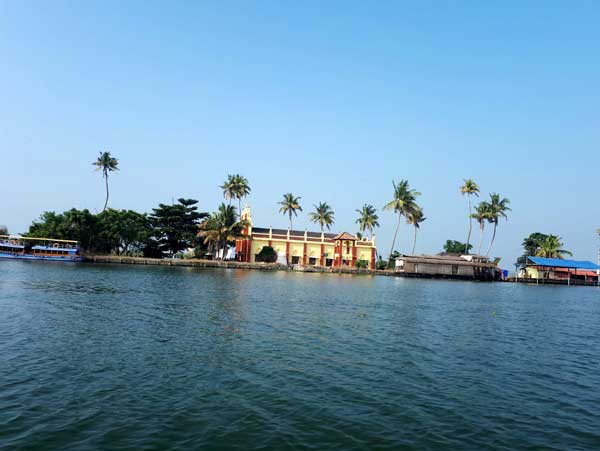
vembanad lake
ezhupunna : is also a well known location for film shooting. films like chef
(hindi) starring saif ali khan, ezhupunna tharakan etc were shot here
Kerala state water transport department office kodimatha kottayam mobile: 94000 50371
alappuzha 9400050322 9400050325
. ..
..